- The Game Changer Newsletter
- Posts
- 🏁 Prepared, Not Perfect
🏁 Prepared, Not Perfect
Don’t chase perfect. Build prepared. The mindset shift every young athlete needs.

The Game Changer
October 23, 2025
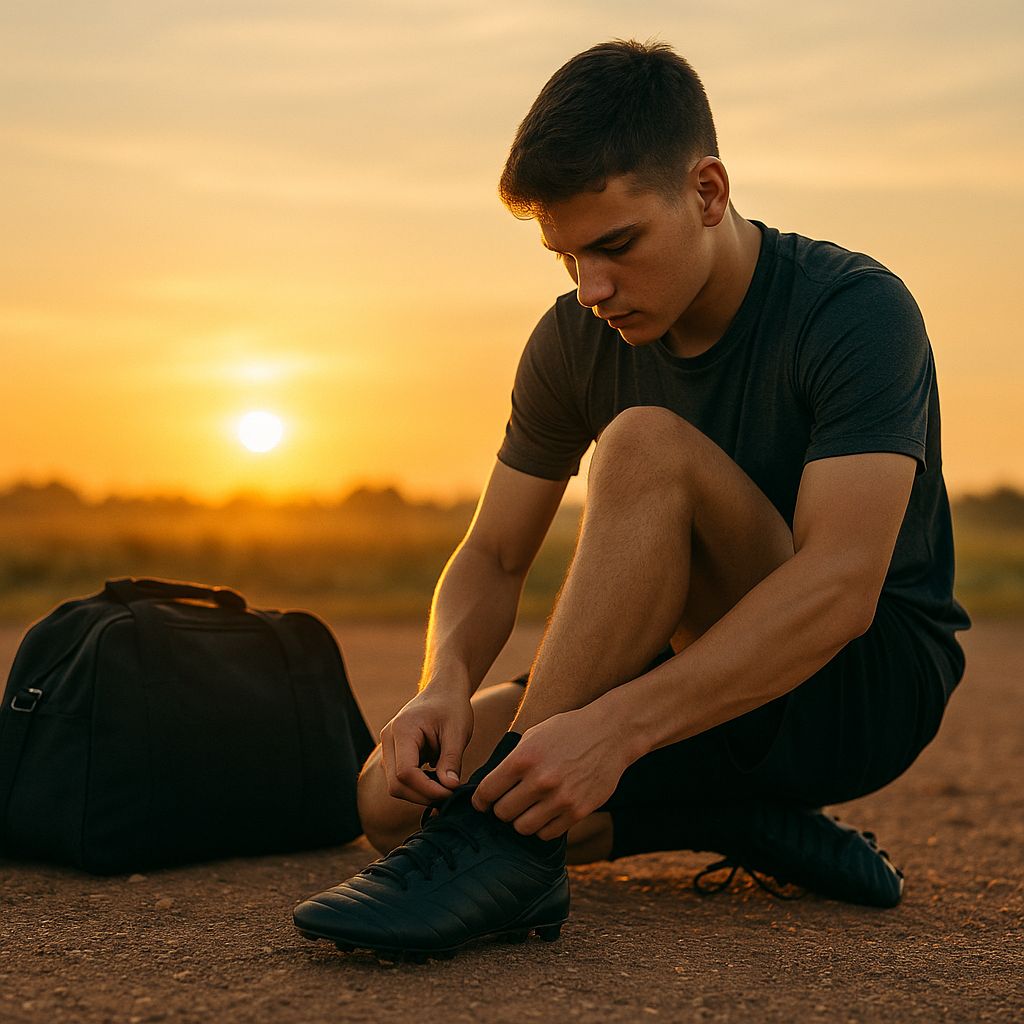
“Preparation brings calm — perfection brings pressure.”
🔥 Friday Fuel - October 24
🧩 A Quick Note
A few weeks ago, we explored “Learning to Let Go After a Bad Game” — a piece about processing disappointment, managing frustration, and learning how to reset after things don’t go to plan. That issue was all about release: how to recognise the sting of a bad game, let go of mistakes, and move forward with self-compassion.
This week, we shift gears.
“Prepared, Not Perfect” isn’t about recovering from what went wrong — it’s about building readiness for what comes next. It’s about the quiet work behind the scenes: the late-night preparation, the early mornings, the routines that no one claps for but that make all the difference when the moment arrives.
If “Let Go” was about reflection, this week is about response — the discipline of showing up ready before the whistle even blows.
💬 A Personal Note
As a teacher — and as a parent — I see it every week: kids aren’t really afraid of losing. They’re afraid of what mistakes might mean about who they are.
It’s not the dropped catch or the missed shot that stings most — it’s the quiet thought that follows: “Maybe I’m not as good as I thought.”
When we tie our identity to being the best or the talented one, mistakes feel like threats. They clash with the story we’ve built about ourselves. But when we see ourselves as learners — people who are growing, adapting, and figuring things out — mistakes lose their power. They become part of the process, not proof of failure.
I see this with my son, Will. He’s driven, competitive, and always pushing to improve. When he feels prepared, he’s calm — confident — he plays with freedom. But when something doesn’t go to plan, it’s easy for him to take it personally, as if one mistake changes who he is as a player.
We’ve talked about that a lot lately: that the goal isn’t to be flawless, it’s to be learning.
And honestly, it’s a lesson I keep learning too. Whether it’s running a meeting at school or hosting a Game Changer interview, I’ve realised that when I see myself as a learner — someone who’s always improving — the pressure eases. I can make mistakes, adjust, and grow without it shaking my confidence.
Because perfection is about proving an image.
Preparation — and learning — are about building identity.
And that’s the kind of confidence that lasts.
🏉 The Athlete Example: Cam Roigard
During our recent Game Changer Live session with All Black Cam Roigard, the conversation centred on resilience, patience, and readiness — how athletes can keep improving and stay mentally prepared while waiting for their opportunity.
Cam’s journey is the perfect example of that mindset. He spoke about focusing on what he can control — his training, his recovery, his learning — so that when his chance finally came, he didn’t have to get ready. He already was ready. But this was actually years and years of getting ready - you see Cam was 55kg dripping wet while playing in the St Peter’s 1st XV. He was constantly overlooked for rep teams, and was much smaller than his peers. Yet when Cam grew, his rise was rapid - so much so that to the outside world it almost seemed like he came out of nowhere, ready made for super rugby and test match football. The truth though is that he had been preparing since his early teens, ingraining high performance habits into his daily schedule so that when the time came that his physical prowess matched his preparedness, he could shoot though the levels of professional rugby.
It’s a powerful reminder for young athletes and parents alike:
being prepared doesn’t guarantee the starting spot or the highlight moment, but when that moment arrives, preparation gives you the confidence to step into it fully.
🎯 What the Experts Say
Performance psychologist Dr. Jim Afremow, author of The Champion’s Mind, explains that confidence isn’t something athletes are born with — it’s something they build through preparation:
“Confidence comes from being prepared — not from pretending to be perfect.”
When athletes focus on what they can control — their routines, effort, and preparation — they feel calmer and perform more consistently. When they chase error-free performances, anxiety and pressure rise.
Research backs this up.
A 2014 study in the European Journal of Sport Science found that semi-professional soccer players who learned pre-performance routines reported lower anxiety and better performance consistency (Hazell et al., 2014).
More recently, a 2021 meta-analysis confirmed that athletes using structured routines perform more consistently under pressure across multiple sports.
These findings are echoed by sport psychologists worldwide: controllable routines, things like sleep, nutrition, pre-game checklists, and visualisation, are proven to reduce anxiety and build confidence.
If you’d like to dive deeper or share something practical with your athlete, here are some excellent reads for both parents and teens:
A simple, relatable article for young athletes on how routines improve focus and calm pre-game nerves.
A quick, motivating read on how consistency and mindset help athletes enjoy the game again.
A great coach-and-parent friendly piece explaining the psychology behind preparation and why routines work.
Together, these studies and articles reinforce one clear message:
👉 Preparation builds confidence. Perfection builds pressure.
⚙️ Practical Strategies for Youth Athletes
1️⃣ The 3 C’s of Preparation
Consistency — Show up, even when you don’t feel like it. Progress lives in repetition.
Control — You can’t control the ref, the weather, or the bounce of the ball. You can control effort, focus, and response.
Calm — Being prepared quiets the mind. You can’t feel panicked and prepared at the same time.

2️⃣ The Night-Before Routine
Small habits make a big difference.
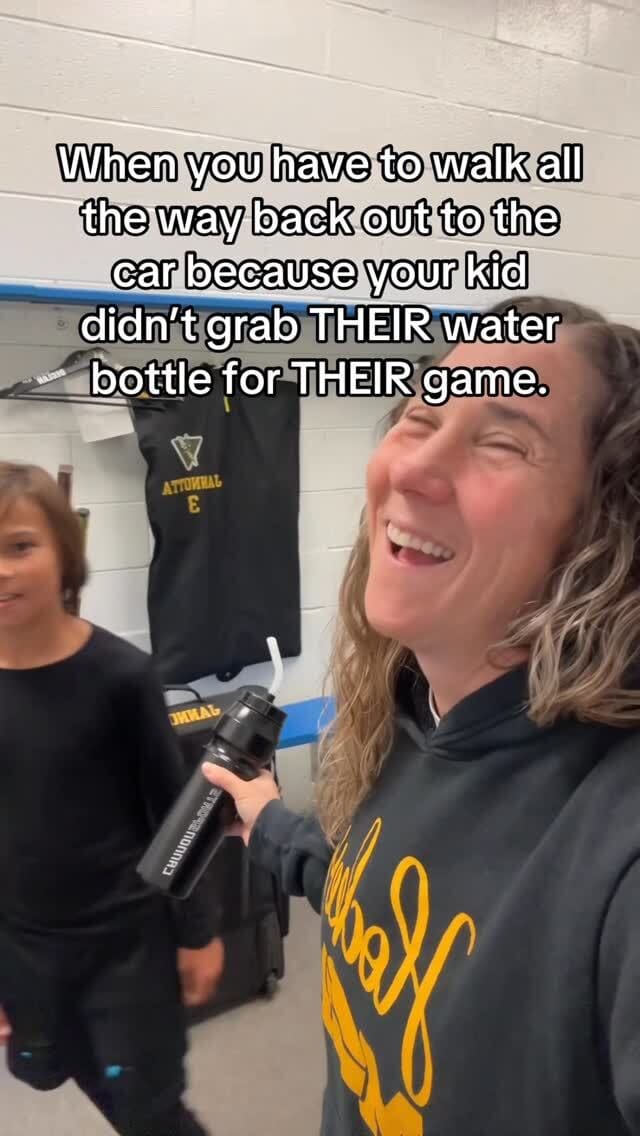
Before bed, check your gear, fill your drink bottle, pack your snacks, and spend five quiet minutes visualising your first touch, pass, or run. That little mental rehearsal reduces nerves and primes your body to perform.
3️⃣ The 1% Rule
Instead of chasing perfection, chase improvement.
Every day, look for one small thing you can do just 1% better — a cleaner pass, a better recovery meal, an earlier bedtime. Those tiny 1%s compound over time until suddenly, you’re the most prepared player on the pitch.
👨👩👧👦 For Parents and Coaches
Your young athlete doesn’t need pep talks about being perfect — they need a home environment that celebrates effort, growth, and preparation.
Here’s what helps most:
Get prepared yourself the night before. Just making it “what we do in our house” is the most powerful way of getting the kids to ingrain habits.
Praise their preparation, not just their performance. (“I loved how organised you were this morning.”)
Share your own stories of trial and error — it normalises imperfection.
Ask, “What helped you feel ready today?” instead of “What went wrong?”
Stay calm on game day. Your tone becomes their emotional cue.


🧠 This Week’s Challenge
For Athletes:
Pick one habit that will help you feel more prepared this week.
Some ideas:
Lay out your kit the night before training.
Journal one focus for tomorrow’s session.
Visualise how you’ll react after your first mistake — calm, focused, reset.
Go to bed 30 minutes earlier than usual.
For Parents:
Model that behaviour you want your child to have:
Get everything that you need ready the night before.
💬 Quote of the Week

I love this, because when you “stay ready,” preparation isn’t a one-off, it’s a lifestyle.
It means:
You train consistently, not just before competition.
You maintain discipline, not just when motivation hits.
You’re always developing the skills and mindset so when opportunity arrives, you don’t need to scramble — you’re already capable.
🔥 And it’s a reminder that consistency beats intensity
It’s not about one big push — it’s about the small daily actions that keep you sharp, physically and mentally.
And It’s what separates “hoping to be ready” from being ready.
🔔 FYA & The Game Changer Update
Yesterday we had two exciting meetings that signal big things ahead for our community.
💬 Zoom #1 — Connecting with Sport Waikato
We had a fantastic conversation with Fin Sherlock from Sport Waikato, who reached out after following our work and wanted to explore ways we could collaborate.
They’re huge advocates for creating positive sporting environments and shared their brilliant initiative, Positive Vibes Only — a campaign focused on helping parents, coaches, and supporters build uplifting sidelines where kids can thrive.
It’s a powerful, much-needed message that aligns perfectly with what we’re doing through FYA and The Game Changer — equipping young athletes (and their families) with tools to perform, grow, and enjoy sport for the long term.
We’re really looking forward to seeing how we can work together to keep that positive momentum growing across New Zealand sport.
🎥 Zoom #2 — Testing Zoom Webinar Plus
Later in the day, we also had a live demonstration of Zoom Webinar Plus — and honestly, it’s an incredible platform.
It’s essentially Zoom’s pro-level event tool, designed for hosting large, interactive sessions that feel like a professional broadcast. It includes integrated Q&A, backstage access for panelists, audience chat moderation, and direct streaming to YouTube Live or Facebook — everything needed to deliver a polished, seamless experience.
With Zoom Webinar Plus, our Game Changer Live events will look and feel like professionally produced experiences — with clean transitions, clear audience engagement, and a layout that lets us spotlight guests, run Q&A smoothly, and connect fans with their sporting heroes in real time.
Now the challenge is to find a sponsorship partner so we can invest in this platform and take our live sessions to the next level.
🎙️ Podcast News
Behind the scenes, we’ve got an incredible lineup of guests coming to The Game Changer Podcast — including a strength & conditioning coach, a high-performance coach, and Sports Parenting guru Professor Camilla Knight formerly of Swansea University (view profile) and now of Greenhouse Sports
Prof. Knight is internationally recognised for her research on parent–athlete relationships and youth-sport wellbeing, and we’re thrilled to have her joining us for a conversation on how families can support young athletes through the highs and lows of performance sport.
💧 FYA Logo & Bottle Design
And finally — our FYA logo is so close to being finished!
We’ve spent the week going back and forth with our designer, refining the details and colours until it felt right. We’ve now requested a few small tweaks before sending it to the bottle manufacturer, who will print the logo on our sample bottle for final review.
We’re so excited to see it come to life — and even more excited to share both the new logo and the FYA bottle with you soon.
It’s shaping up to be something we’re genuinely proud of — durable, practical, and designed for real athletes, real families, and real training days.
🏁 Final Thought
Being prepared, not perfect is one of the most freeing lessons in sport and in life.
When we stop trying to perform flawlessly and start focusing on showing up consistently, we discover a new kind of confidence — the kind that comes from trust in the work we’ve already done.
This week, choose preparation over perfection.
Show up ready — not flawless, but focused.
Your moment will come. Be ready for it.
B (and Ben)
FYA - Fueling Youth Athletes
🎙️ Home of The Game Changer Podcast
📺️Youtube: @TheGameChangerYouthPerformance
📘 Join our FYA Facebook Community
📸 Instagram: @fya_fueling_youth_athletes